
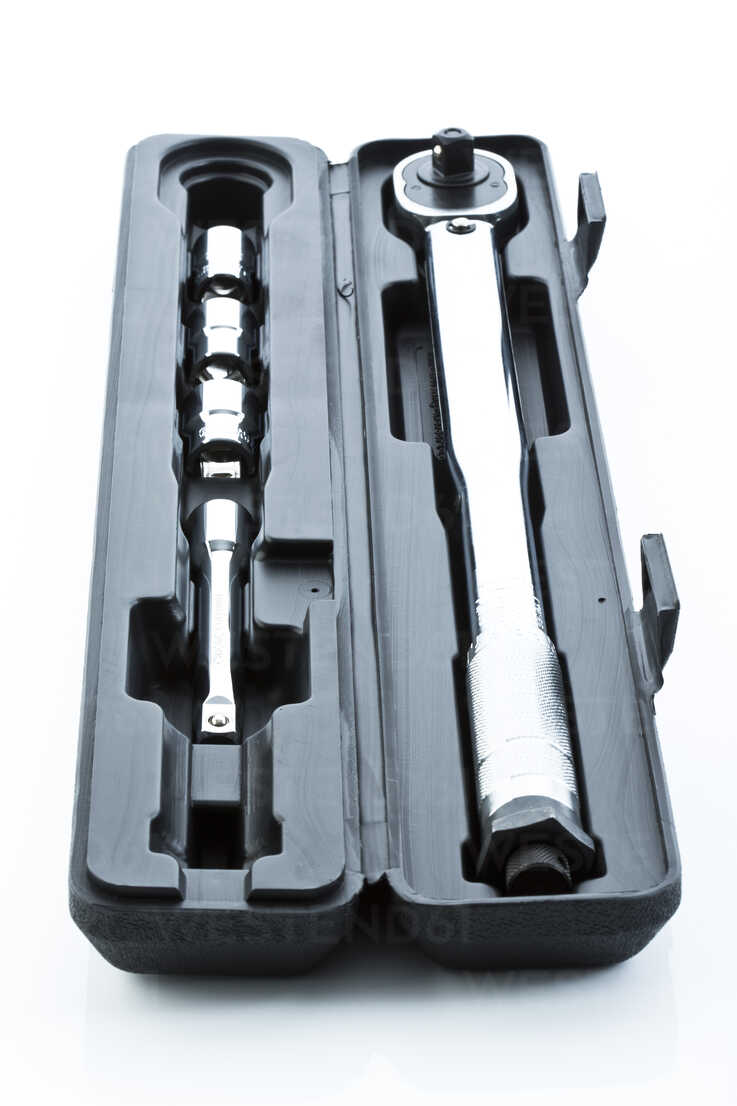
Proper torque wrench storage is often overlooked, but it plays a major role in maintaining accuracy and extending the life of your tool. Whether you use a torque wrench in automotive workshops, manufacturing, aviation, mining, or general maintenance, incorrect storage can lead to damaged components, reduced accuracy, and unnecessary calibration costs.
If you’ve invested in a quality torque wrench, storing it correctly helps protect that investment.
Why proper torque wrench storage matters
Torque wrenches are precision instruments designed to apply a specific amount of force. Unlike standard hand tools, they contain internal mechanical components that can be affected by poor handling and storage conditions.
Improper storage can lead to:
- Spring fatigue
- Internal mechanism wear
- Corrosion
- Dirt contamination
- Reduced calibration accuracy
- Premature tool failure
A torque wrench that is regularly thrown into a toolbox, exposed to moisture, or stored incorrectly may begin producing inaccurate readings long before its expected service life ends.
Always store your torque wrench in its protective case
Most quality torque wrenches come with a hard plastic storage case. This case is there for a reason.
A protective case helps prevent:
- Dust entering the mechanism
- Accidental impacts
- Moisture exposure
- Damage during transport
If your torque wrench did not come with a case, consider purchasing a protective storage box or dedicated tool drawer with adequate padding.
Keep your torque wrench in a clean, dry environment
Humidity is not your torque wrench’s friend.
Store your wrench in an environment that is:
- Dry
- Clean
- Free from excessive dust
- Protected from extreme temperatures
Leaving a torque wrench in the back of a ute, an outdoor toolbox, or a damp workshop can lead to rust and internal corrosion over time.
Climate-controlled tool storage is ideal for businesses that rely on precision tools every day.
Should click torque wrenches be returned to minimum setting?
This is one of the most debated torque wrench storage questions.
With click-type torque wrenches, there is some ambiguity between manufacturers regarding whether the tool should be returned to its minimum setting after use.
Some manufacturers recommend backing the wrench down to its minimum setting after each use. Others advise leaving it at its last setting unless it will be stored for an extended period.
Why the mixed advice?
The internal spring is the primary component responsible for the wrench’s operation. Like most metal springs, it can develop what’s commonly referred to as “memory” when left under tension for long periods.
Over time, constant compression may affect spring performance and potentially impact calibration accuracy.
Because the spring is such a critical part of the mechanism, it is generally best practice to return a click torque wrench to its minimum setting before storage.
One important note:
Do not wind the wrench below its minimum marked setting, as this can damage the internal mechanism.
Never use your torque wrench as a breaker bar
This is less about storage and more about protecting the tool between uses.
Using a torque wrench to loosen tight fasteners can place excessive strain on the internal mechanism and lead to accuracy issues.
Always use the correct tool for loosening bolts and reserve your torque wrench for final tightening only.
Avoid dropping your torque wrench
Even a minor drop can affect calibration.
Internal components may shift without any obvious external signs of damage.
If your torque wrench has been dropped, it’s worth having it inspected and calibrated before relying on it for critical work.
Keep up with regular calibration
Even with perfect storage habits, torque wrenches still require routine calibration.
Regular calibration helps ensure:
- Compliance with quality systems
- Accurate torque application
- Reduced risk of product failures
- Extended tool lifespan
Industries such as mining, defence, automotive, and manufacturing often require scheduled calibration to maintain compliance standards.
Final thoughts
Knowing how to store a torque wrench properly can significantly improve the lifespan and reliability of your tool.
Store it in a protective case, keep it dry, avoid impacts, and treat the internal mechanism with care.
And when it comes to click torque wrenches, manufacturer recommendations can vary—but given the spring-based design and the potential for metal spring memory, returning the wrench to its minimum setting is generally the safest long-term approach.
Contact us to discuss your calibration requirements.