
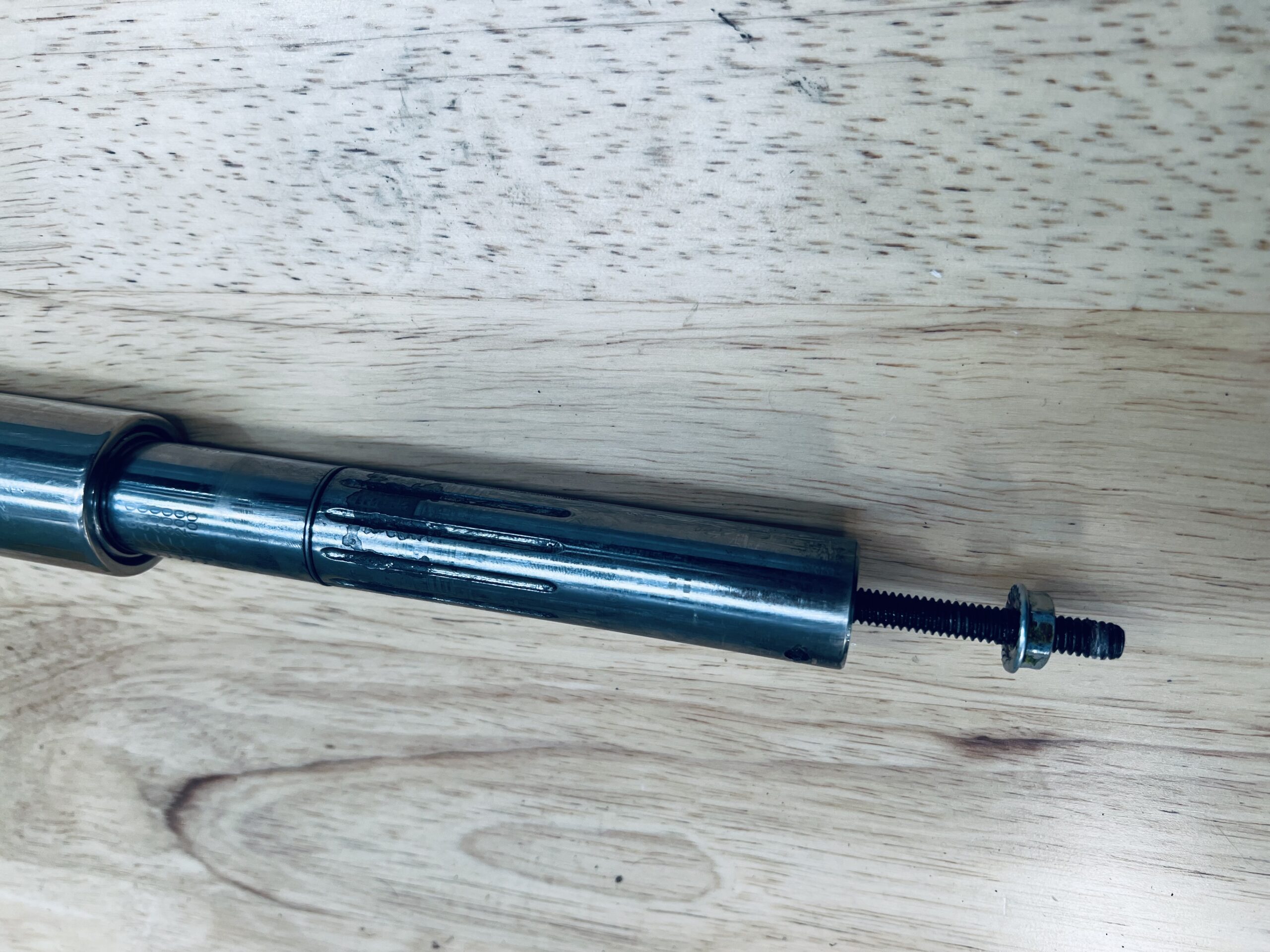
When a torque wrench stops performing correctly, the first question is usually simple: is it worth repairing, or should it just be replaced?
There isn’t a one-size-fits-all answer. The decision usually comes down to three things: the value of the tool, whether spare parts are available, and the cost of replacing it with a new torque wrench of equivalent quality.
Start with the value of the torque wrench
The economics of repair versus replacement change dramatically depending on the type of torque wrench involved.
A high-quality industrial tool from brands such as Warren & Brown Tools or similar professional-grade manufacturers is often designed to be serviced. These tools typically justify repair costs because the original purchase price is higher, and the build quality supports long-term use.
On the other hand, lower-cost torque wrenches are often not economically viable to repair. If the repair cost approaches or exceeds the price of a new replacement, replacement usually makes more sense.
As a general rule:
- High-end professional tools → repair is often worthwhile
- Mid-range tools → depends on fault and parts availability
- Low-cost tools → replacement is usually more economical
Spare parts availability is often the deciding factor
Even if a torque wrench is well-built, repair is only practical if parts are available.
Common serviceable components include:
- Ratchet heads
- Drive mechanisms
- Springs (in click-type wrenches)
- Seals and internal wear parts
- Adjustment mechanisms
If these parts are still manufactured or stocked, repair can be straightforward and cost-effective.
However, for older or discontinued models, parts may be limited or unavailable. In these cases, even a relatively simple fault can make repair impractical.
This is particularly relevant for older workshop tools that are no longer in active production, where lead times or sourcing costs can outweigh the benefit of repair.
Replacement cost versus downtime
The cost of replacement is not just the price of a new torque wrench.
It also includes:
- Downtime while sourcing a new tool
- Recalibration of replacement equipment
- Training or adjustment to a different model
- Loss of consistency in existing workflows
For professional users, especially in production or quality-controlled environments, maintaining continuity can make repair more attractive even when it is not the cheapest upfront option.
In contrast, if a suitable replacement is readily available off-the-shelf and inexpensive, replacement becomes the faster and simpler path.
The hidden factor: calibration after repair or replacement
Whether you repair or replace, both options typically require calibration before the tool is returned to service.
A repaired torque wrench must be verified to ensure it meets specification after component replacement.
A new torque wrench, which may be factory calibrated, is still recommended to be checked to confirm it meets expected tolerances under real working conditions.
This is particularly important in environments governed by quality systems such as ISO standards, where traceability and measurement confidence are essential.
When repair usually makes more sense
Repair is often the better option when:
- The torque wrench is high quality or industrial grade
- Spare parts are available
- The fault is isolated (e.g. ratchet head wear)
- The tool has high replacement cost
- Consistency with existing tools is important
When replacement is usually the better option
Replacement is generally more practical when:
- The tool is low-cost or disposable-grade
- Spare parts are unavailable or discontinued
- Multiple components are worn or damaged
- Repair cost approaches new purchase price
- The tool has a history of recurring faults
So which is cheaper?
There’s no universal answer.
In practice, the decision comes down to a simple comparison:
- Repair cost + calibration + downtime
vs - Replacement cost + calibration + setup
Whichever side is lower usually wins — but that’s only part of the story. Availability, reliability, and long-term confidence in the tool often matter just as much as the upfront cost.
Final thought
Torque wrenches sit in an unusual space where they are both consumable tools and precision instruments. That combination means the cheapest option on paper is not always the best choice in practice.
If you’re unsure, a professional assessment can quickly determine whether a tool is worth repairing or should be replaced.
Contact us to discuss repairs to your torque wrench.