
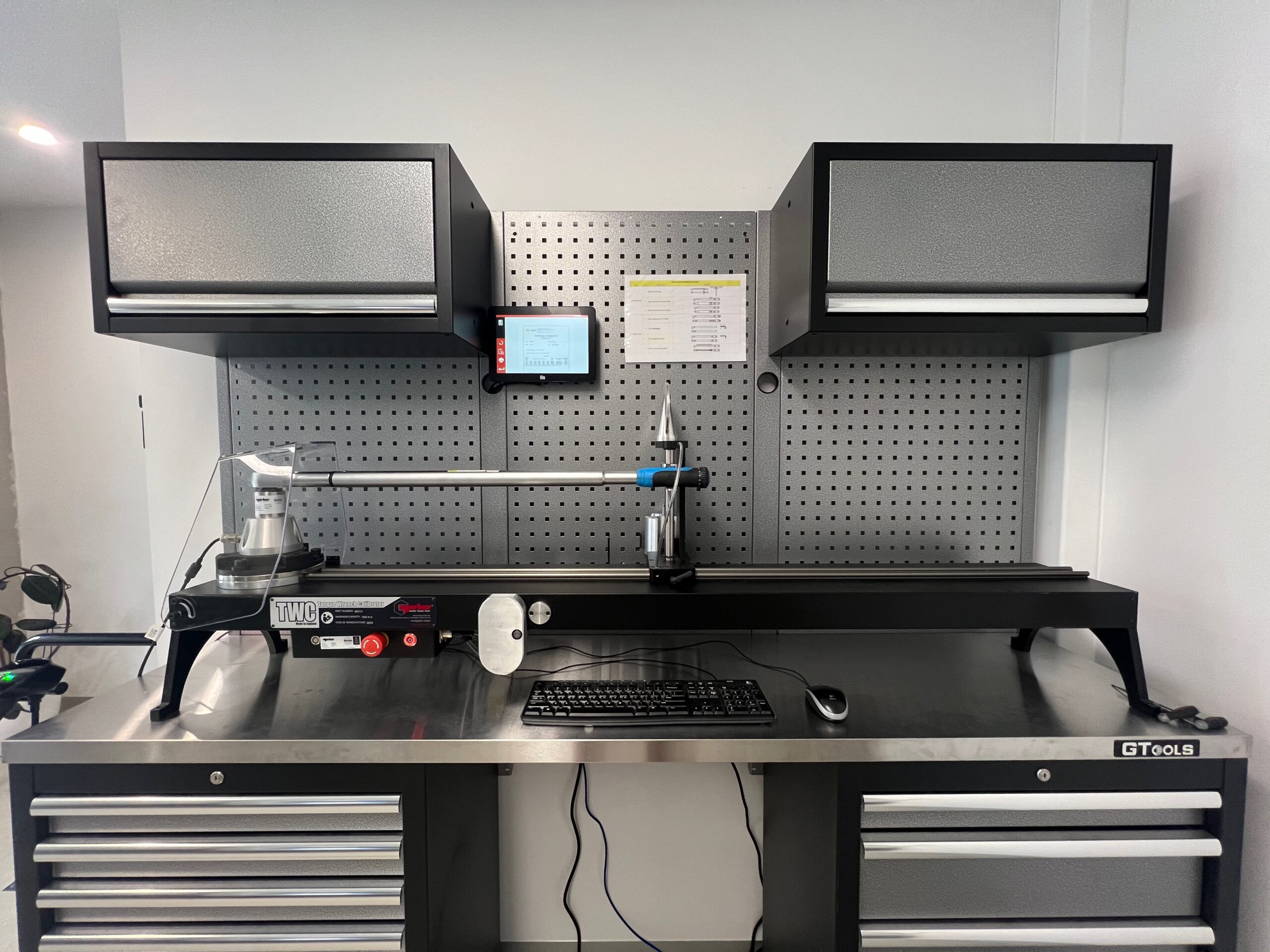
You send your torque wrench away for calibration. A few days later it returns with a certificate. It has numbers, it has a logo, it has a signature.
It looks official.
But here is the uncomfortable question. What if your provider is performing non-compliant torque wrench calibration?
You may have a certificate.
You may not have compliance.
And if something goes wrong, that difference can become very expensive.
What Is ISO 6789 and Why Does It Matter?
ISO 6789 sets out the internationally recognised requirements for the calibration and conformance testing of torque tools. The current version tightened many technical requirements compared with earlier editions.
It covers:
- Measurement uncertainty
- Environmental control
- Pre-loading and conditioning cycles
- Defined test points across the tool’s range
- Clear reporting requirements
- Separation of calibration and conformance decision rules
In short, it moved from “close enough” to “provably correct”.
If your calibration provider still works to outdated practices, or ignores parts of the standard, the certificate may not reflect the real performance of your tool.
The Illusion of Non-Compliant Torque Wrench Calibration
A non-compliant calibration can still look professional.
You will likely receive:
- A printed certificate
- A traceability statement
- A pass result
However, without strict adherence to ISO 6789:
- Measurement uncertainty may not be calculated correctly
- Environmental conditions may not meet the 18–26°C range with stability requirements
- Test procedures may not match the mandated number of cycles
- Conformance decisions may not apply the correct acceptance rules
The certificate gives reassurance.
But reassurance is not the same as defensible compliance.
What Happens If Something Goes Wrong?
This is where risk becomes real.
Imagine a critical bolted joint fails. It could be:
- An automotive suspension component
- A structural fastener
- A pressure system fitting
- A safety-critical assembly
Investigations begin.
The torque wrench used on that job is examined. The calibration certificate is reviewed. If the calibration process does not align with ISO 6789, several things can happen.
Liability Exposure Increases
If your organisation relied on a calibration that does not meet recognised standards, questions will be asked:
- Was due diligence exercised?
- Was the supplier competent?
- Were recognised standards followed?
In legal or insurance contexts, the existence of a certificate is not enough. The process behind the certificate matters.
If it is shown that the calibration did not comply with ISO 6789, liability may shift back to the tool owner & employer.
Insurance Complications
Insurers assess risk based on documented compliance. If calibration practices fall short of recognised standards, coverage disputes can arise.
That certificate you relied on may not carry the weight you assumed it did.
Audit Failures
Quality systems such as ISO 9001 often require traceable, standard-based calibration. During an audit, your calibration provider’s procedures may be reviewed.
If they cannot demonstrate compliance with ISO 6789, you may face:
- Non-conformances
- Corrective action requirements
- Increased audit scrutiny
At best, it is inconvenient. At worst, it impacts contracts.
Cost of Rework and Recall
If doubt is cast on the validity of your torque tools, you may need to:
- Re-calibrate tools
- Re-inspect completed assemblies
- Recall products
- Halt production
The cost of proper calibration is modest.
The cost of uncertainty is not.
The Hidden Cost of “Cheaper” Calibration
Lower calibration prices often mean corners are cut somewhere:
- Fewer test points
- Reduced cycles
- Limited environmental control
- No proper uncertainty analysis
Each shortcut reduces defensibility.
When comparing suppliers, it is worth asking:
- Do you calibrate to the latest ISO 6789 standard?
- How do you calculate measurement uncertainty?
- What environmental controls do you maintain?
- How do you apply conformance decision rules?
If those answers are vague, that is a signal.
Protecting Your Business
Proper ISO 6789 compliant torque wrench calibration provides:
- Traceable and defensible results
- Reduced liability risk
- Stronger audit performance
- Confidence in critical assemblies
It is not just about accuracy.
It is about accountability.
Because when everything goes right, calibration feels like paperwork.
When something goes wrong, calibration becomes evidence.
Final Thoughts
Using a calibration supplier that does not adhere to modern ISO 6789 standards can leave your organisation exposed. The certificate may look reassuring, but if the process behind it is flawed, the consequences can be significant.
Torque tools control the integrity of bolted joints. Bolted joints control safety, reliability and performance.
The real question is not whether a certificate was issued.
The real question is whether it would stand up under scrutiny.
If you would like to discuss ISO 6789 compliant torque wrench calibration or review your current calibration practices, contact us to discuss your calibration requirements.