
Frequently Asked Questions
Can you repair all brands of torque wrench?
We repair and service most major brands and models, including mechanical click types, dial indicating wrenches, and many electronic torque devices.
Access to spare parts varies between manufacturers. Where genuine parts are available, we utilise appropriate components to restore the tool to serviceable condition. If parts are discontinued or repair is not economical, we will advise you transparently before proceeding.
Do you inspect tools before quoting?
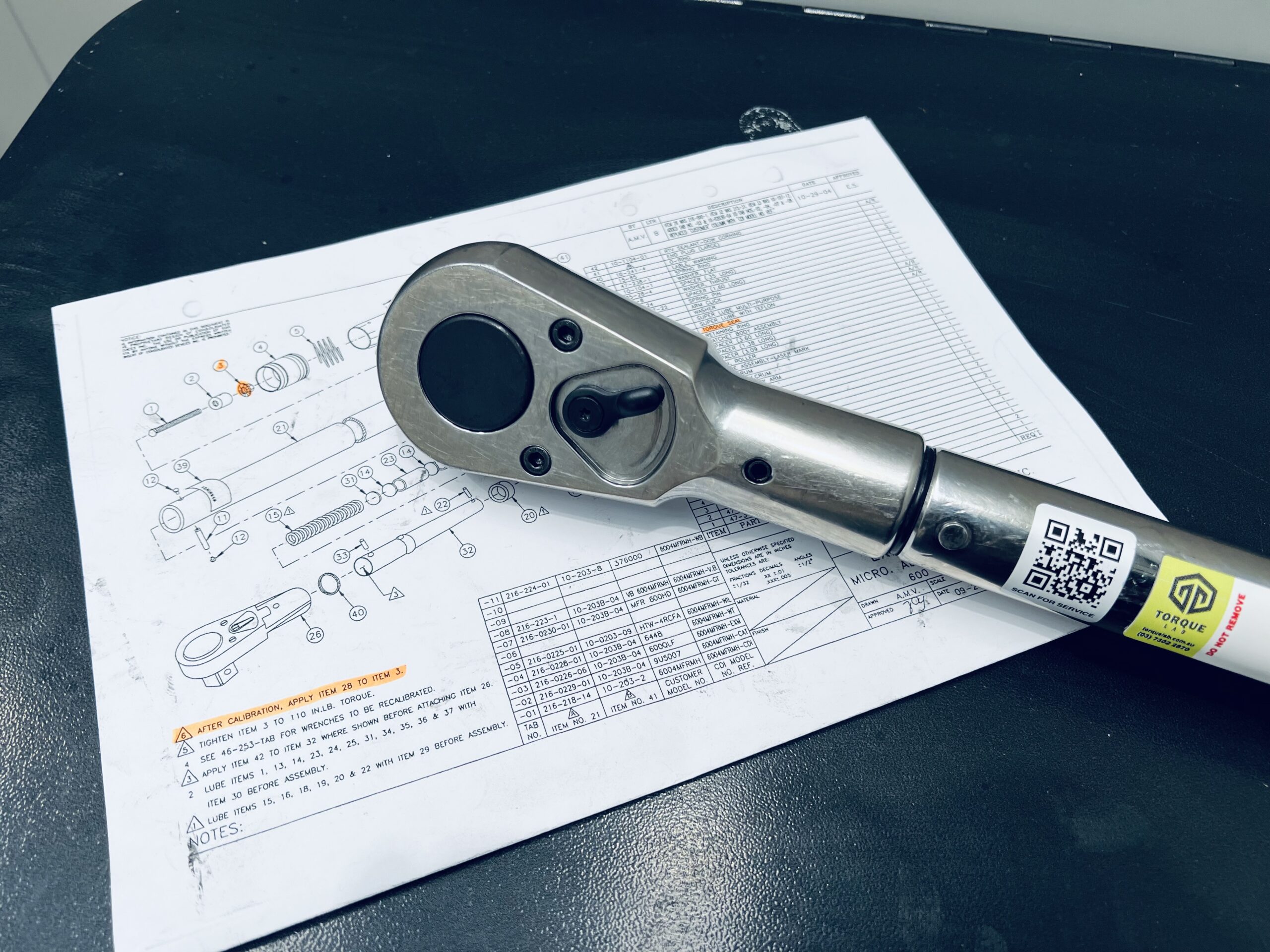
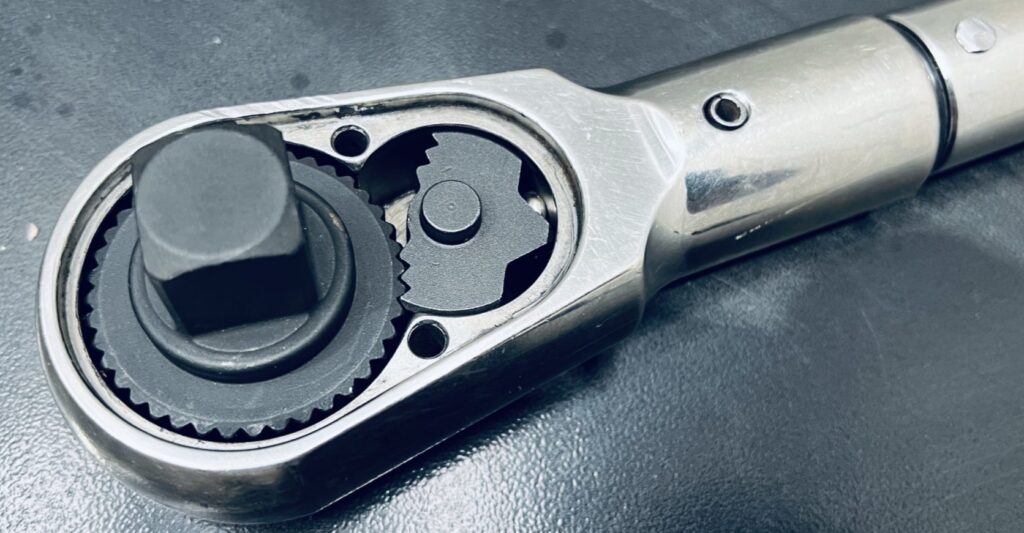
Yes. Each tool undergoes an initial inspection to assess mechanical condition, wear, and performance. This allows us to identify issues such as worn pawls, fatigued springs, damaged ratchet heads, or electronic faults.
You will receive clear recommendations before any repair work is undertaken. No work proceeds without approval.
Do you use genuine manufacturer parts?
Where available, we prioritise genuine manufacturer components to ensure performance and compatibility.
In cases where original parts are discontinued, suitable equivalents may be considered if they meet required specifications. Any deviation from original components is evaluated carefully to maintain tool integrity.
The objective is always to restore safe, reliable function.
What happens if my torque wrench cannot be repaired?
If a tool is found to be beyond economical repair, we will document the condition and explain the reasons. In some cases, the cost of parts and labour exceeds the value of the tool.
Where appropriate, we can recommend suitable replacement options based on your torque range, usage frequency, and compliance requirements. The objective is not to sell unnecessarily, but to ensure reliable and compliant tooling.
Do you replace worn internal components as part of calibration?
Calibration itself does not automatically include replacement of components. However, during inspection, if wear or degradation is identified that could affect performance, we will recommend repair prior to calibration.
Calibrating a mechanically compromised tool serves little purpose. The integrity of the mechanism must be restored before meaningful calibration can occur.
Can impact damage be repaired?
Impact damage varies in severity. Minor external damage may not affect internal function, but significant drops can distort internal components or affect alignment.
If impact damage has compromised structural integrity or calibration stability, repair may not be possible. Each case is assessed individually, and recommendations are provided based on mechanical condition and safety considerations.
Is it better to repair or replace an older torque wrench?
This depends on the tool’s condition, brand quality, availability of parts, and intended use.
High-quality mechanical torque wrenches can often justify repair. Lower-cost tools may not be economically viable to rebuild. We provide practical advice based on performance, compliance requirements, and long-term reliability.
Do you provide before-and-after data for repaired tools?
Yes. Where applicable, initial test results are recorded prior to adjustment or repair. After servicing, the tool is retested to verify compliance. This is known as “As Found” and “As Left”
This provides transparency and demonstrates the effectiveness of the repair process.
What are the common faults you see in torque wrenches?
The most common issues include worn ratchet heads, fatigued springs, stripped threads, and general mechanical wear.
We also frequently see tools that have been stored under tension, which accelerates spring fatigue.
Many faults develop gradually and are not obvious to the user until calibration testing reveals deviation.
What causes torque tools to drift over time?
Drift occurs due to mechanical fatigue, wear of contact surfaces, internal friction changes, contamination, and environmental factors.
Click-type torque wrenches rely on spring tension and mechanical geometry. Over time, repeated loading cycles can alter characteristics slightly. Regular calibration detects this drift before it becomes problematic.
Can improper storage affect a torque wrench?
Yes. Storing a click-type torque wrench at a high setting for extended periods can fatigue the spring mechanism.
It is generally recommended that adjustable torque wrenches be stored at their lowest setting (without going below minimum scale). Proper storage extends service life and improves calibration stability.
Do you service customers outside Victoria?
Yes. We service customers throughout Australia. Tools can be securely packaged and shipped to our laboratory for calibration and repair.
We recommend appropriate packaging to prevent transport damage, particularly for precision tools.