
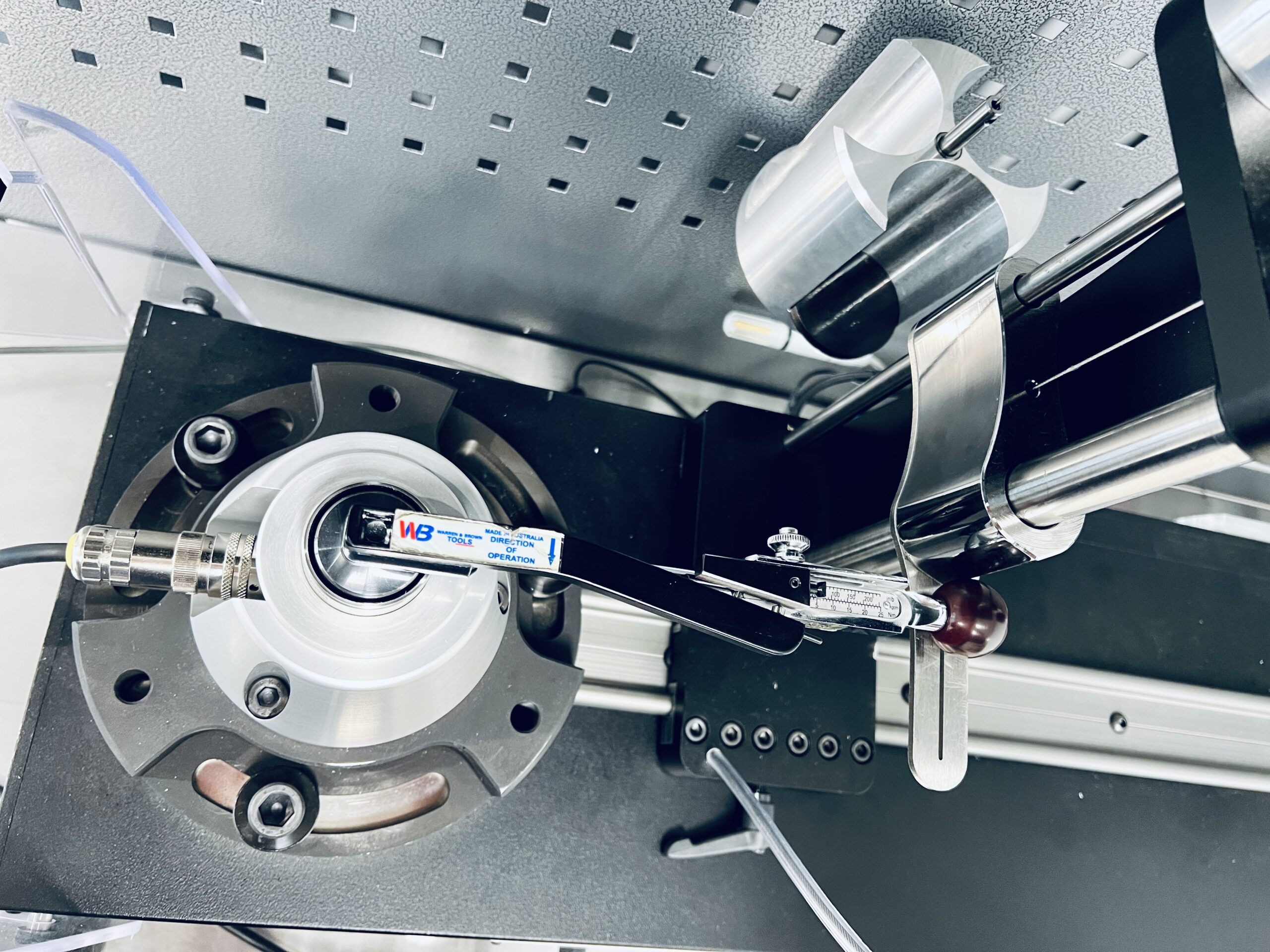
Calibration reports for torque wrenches are not just paperwork. Instead, they are essential technical records that prove your tool’s performance, accuracy, and traceability. Without them, you cannot properly verify compliance or make informed decisions about your equipment.
Here’s why calibration reports for torque wrenches matter so much:
Calibration reports for torque wrenches prove measurement traceability
First, a good calibration report shows how your torque wrench measurements link to recognised reference standards. This traceability connects your results to national or international benchmarks. Because of that, you can trust the values recorded during calibration.
For torque tools, this often relates to standards such as ISO 6789, developed by the International Organisation for Standardise. When a report includes traceability details, it demonstrates that the calibration followed a controlled and credible process.
Calibration reports reveal measurement deviations
Next, calibration reports clearly show any deviation from the required accuracy. Instead of guessing, you can see exactly how the tool performed at each test point. If results fall outside tolerance, the report makes that obvious.
As a result, you can take action before the tool affects product quality or safety. This early warning helps you avoid costly mistakes and rework.
Torque wrench calibration documentation shows tool condition
Calibration reports also give insight into the overall condition of your torque wrench. For example, inconsistent readings or unusual drift may indicate wear, internal damage, or contamination.
Because of this, the report becomes more than a set of numbers. It becomes a snapshot of the tool’s mechanical condition. That information helps you decide whether adjustment, repair, or replacement is necessary.
Calibration help plan future torque wrench maintenance
In addition, calibration reports help you plan ahead. By reviewing past results, you can spot trends in performance over time. If accuracy is slowly drifting, you may need shorter calibration intervals.
Therefore, calibration reports for torque wrenches support smarter maintenance planning. Instead of reacting to failures, you can manage your tools proactively.
Calibration reports support your torque wrench compliance and audits requirements
Many industries require proof that tools are calibrated and traceable. During audits, calibration reports provide that evidence. They show who performed the calibration, what standards were used, and what results were achieved.
Without proper documentation, you may struggle to demonstrate compliance. With clear reports, you can show that your torque control process meets required standards.
They help you make informed maintenance decisions
Finally, calibration reports support better decision-making. When you understand how your torque wrench performs, you can choose whether to keep it in service, repair it, or replace it.
This reduces unexpected failures and improves reliability. Over time, that leads to safer operations and more consistent product quality.
In summary
Calibration reports for torque wrenches are not just administrative paperwork. Instead, they provide traceability, reveal deviations, show tool condition, and guide future maintenance. Just as importantly, they help you meet compliance requirements and make informed equipment decisions.
In short, a calibration report is not a formality. It is a technical record that protects the accuracy, reliability, and credibility of your measurement process.
Contact us today to discuss your calibration requirements.