
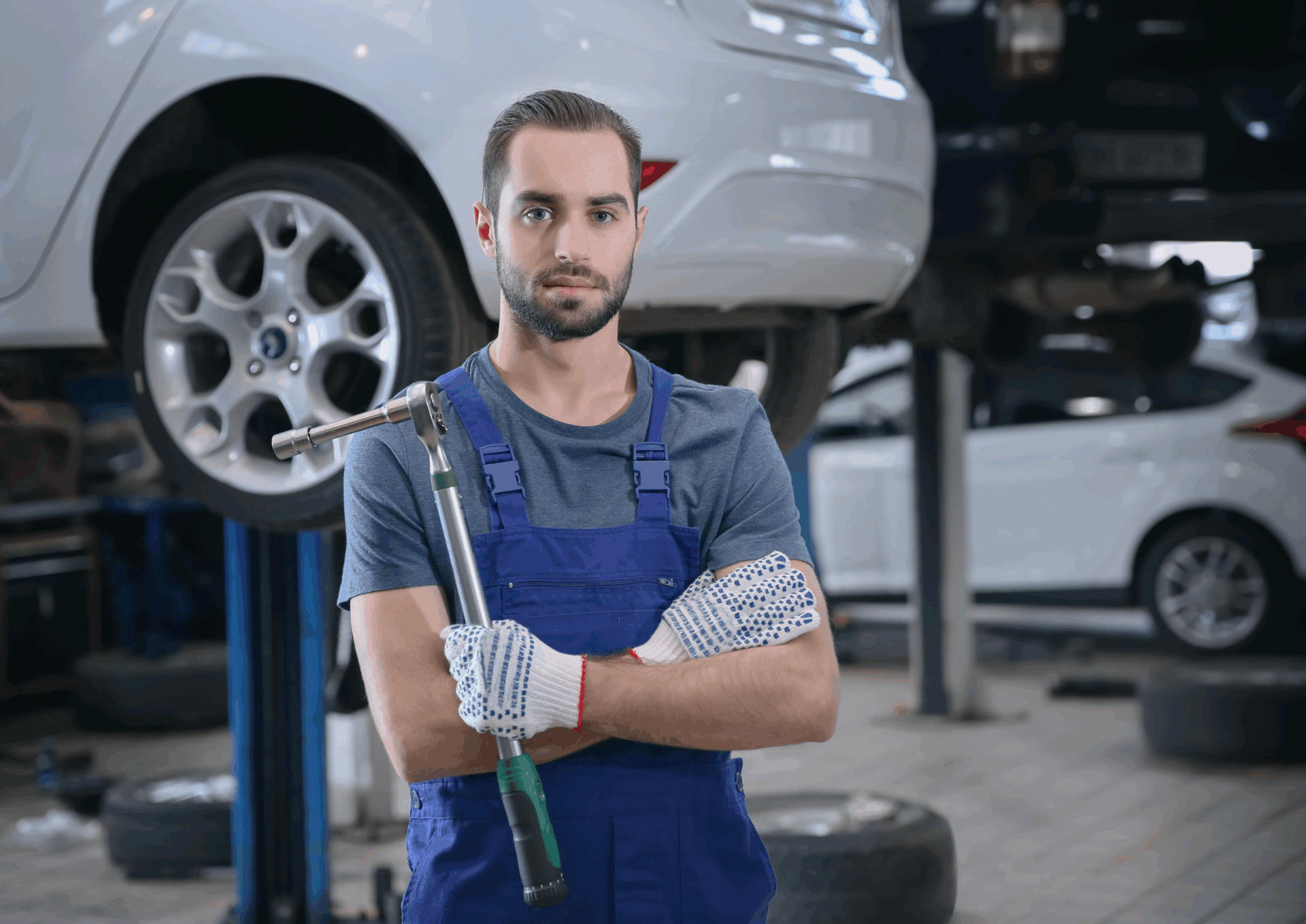
Heavy vehicle workshops put torque tools through far harsher conditions than many other industries. Truck servicing, fleet maintenance, mining vehicles, agricultural machinery and earthmoving equipment often involve high torque applications, dirty environments and constant daily use.
That combination can be brutal on torque wrenches, torque multipliers and hydraulic torque equipment.
When torque tools fail in a heavy vehicle workshop, it rarely happens at a convenient time. It usually occurs during urgent repairs, scheduled fleet maintenance or when a vehicle needs to get back on the road quickly.
Below are some of the most common torque tool failures we see from heavy vehicle workshops — and what typically causes them.
Rounded or Damaged Internal Gear Teeth
This is one of the most common failures in mechanical click torque wrenches.
Inside many torque wrenches are precision gear components that allow the wrench to engage and release correctly. When technicians use the tool as a breaker bar to loosen seized fasteners, those internal teeth can round off or chip.
Common causes include:
- Using the torque wrench to crack tight wheel nuts loose
- Applying excessive force beyond the tool’s rated capacity
- Using cheater bars or extensions incorrectly
- Repeated shock loading
Symptoms often include:
- The wrench slipping during use
- Inconsistent clicking
- Failure to reach set torque
- Complete loss of torque application
This type of damage is often preventable and can lead to expensive repairs if ignored.
Broken Ratchet Heads
Heavy vehicle workshops often deal with stubborn fasteners exposed to corrosion, road grime and extreme loads.
When a ratchet head is repeatedly overloaded, components such as pawls, springs and drive gears can fail.
This can happen when:
- Operators exceed the tool’s rated torque range
- The wrong size tool is selected
- The tool is used for loosening instead of tightening
- Sudden impact loads are applied
Once a ratchet head begins failing, reliability drops quickly.
Hydraulic Torque Tool Oil Leaks
Hydraulic torque tools are common in heavy diesel, mining and industrial vehicle applications.
Over time, seals can wear and hydraulic hoses may deteriorate.
Common causes include:
- Ageing seals
- Contaminated hydraulic fluid
- Poor storage practices
- Damaged hose fittings
- Lack of preventative maintenance
Oil leaks reduce tool performance and create safety hazards in the workshop.
Calibration Drift
Heavy-use workshops often have torque tools operating daily across multiple technicians.
Over time, this usage can cause calibration drift.
Contributing factors include:
- Frequent high-cycle usage
- Accidental drops
- Poor storage
- Overloading
- Long periods without calibration
A tool may still appear functional while delivering inaccurate torque values.
That creates obvious risks when working on:
- Wheel fasteners
- Engine components
- Suspension systems
- Brake assemblies
- Driveline components
Regular calibration helps identify issues before they become major failures.
Damaged Digital Torque Wrenches
Digital torque wrenches are becoming more common in modern workshops, but they introduce new failure points.
We regularly see issues involving:
- Cracked screens
- Battery corrosion
- Failed buttons
- Moisture damage
- Internal electronic faults
Heavy workshop environments can be rough on sensitive electronic tools.
Proper storage and handling make a big difference.
Torque Multiplier Failures
Torque multipliers are frequently used in heavy vehicle maintenance due to extremely high fastening requirements.
Common failures include:
- Worn planetary gears
- Cracked housings
- Bent reaction arms
- Lubrication failures
These issues are often caused by overloading or improper reaction point setup.
Corrosion and Contamination Damage
Heavy vehicle workshops can expose tools to:
- Grease
- Dirt
- Brake dust
- Water
- Chemicals
Contamination can enter moving components and accelerate wear.
Corrosion is especially common in transport fleets operating near coastal environments.
How to Prevent Torque Tool Failures
Many failures can be avoided with simple practices:
- Use the correct torque range for the application
- Never use torque tools as breaker bars
- Follow manufacturer operating instructions
- Store tools properly
- Keep tools clean
- Schedule regular calibration and servicing
- Replace worn components before total failure occurs
Preventative maintenance costs far less than emergency replacement.
Why Fast Repairs Matter
For heavy vehicle workshops, downtime can be extremely expensive.
A failed torque tool may delay:
- Fleet servicing
- Truck repairs
- Mining equipment maintenance
- Agricultural machinery repairs
Having access to fast repair and calibration services helps keep operations moving.
At Torque Lab, we repair and calibrate a wide range of torque tools used in heavy vehicle workshops, helping businesses reduce downtime and maintain compliance.
Contact us today to discuss your requirements.