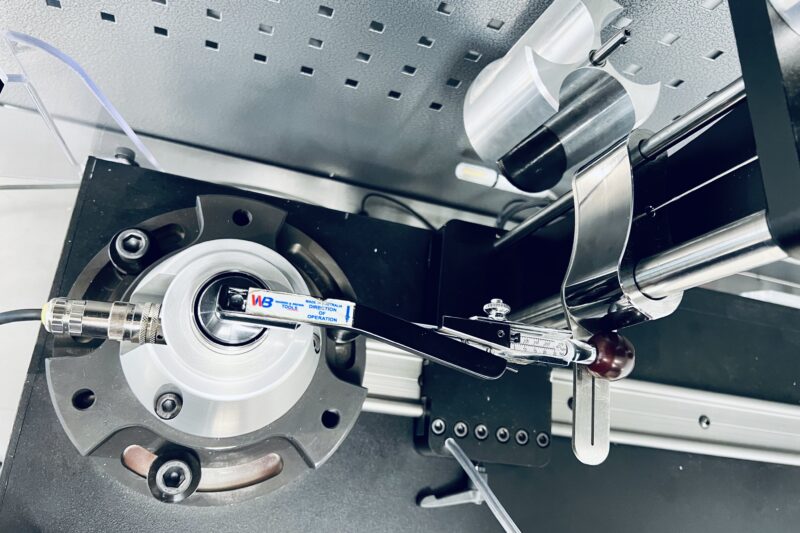
Posted on 16 Feb, 20263 Feb, 2026 Myth 6: Calibration is a one-time fix Reality: A torque wrench calibration schedule is not a one-off task. Instead, calibration is an ongoing process that protects the...
Posted on 12 Feb, 202613 Feb, 2026 Myth 5: Calibration reports are simply paperwork Calibration reports for torque wrenches are not just paperwork. Instead, they are essential technical records that prove your tool...
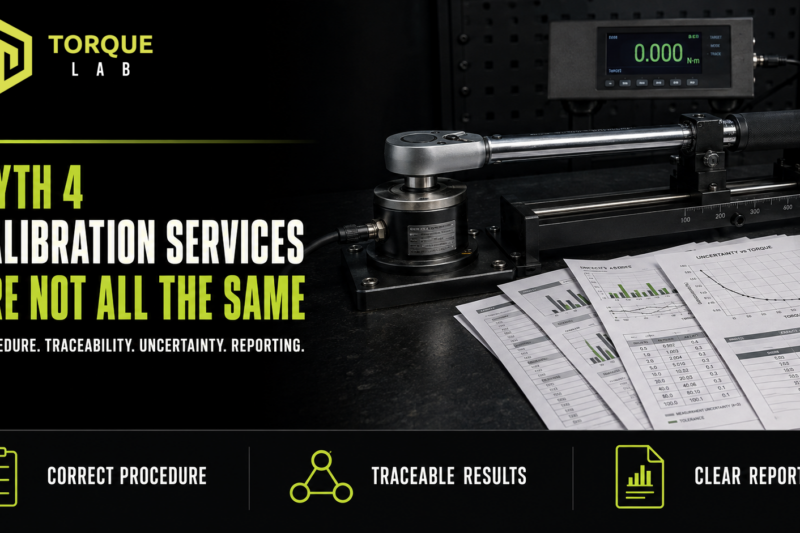
Posted on 9 Feb, 202616 Aug, 2026 Myth 4: All calibration services are the same Two certificates may both have the word “calibration” at the top while representing very different work. The procedure, test p...
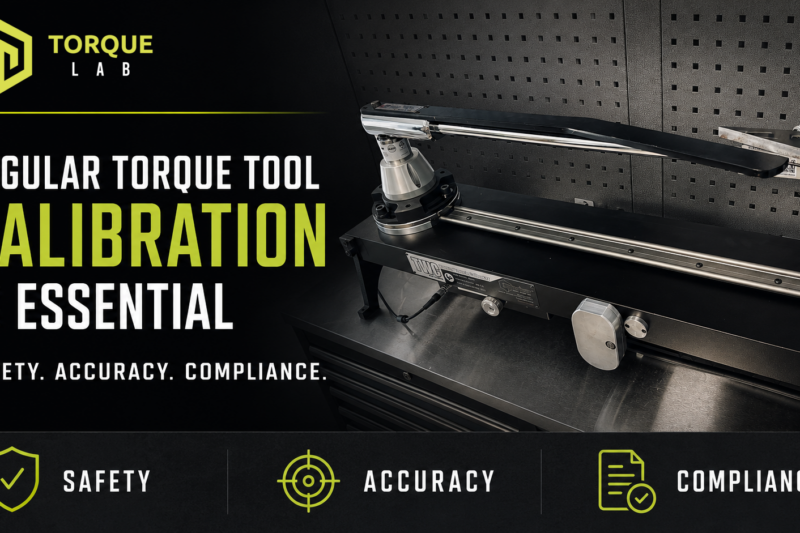
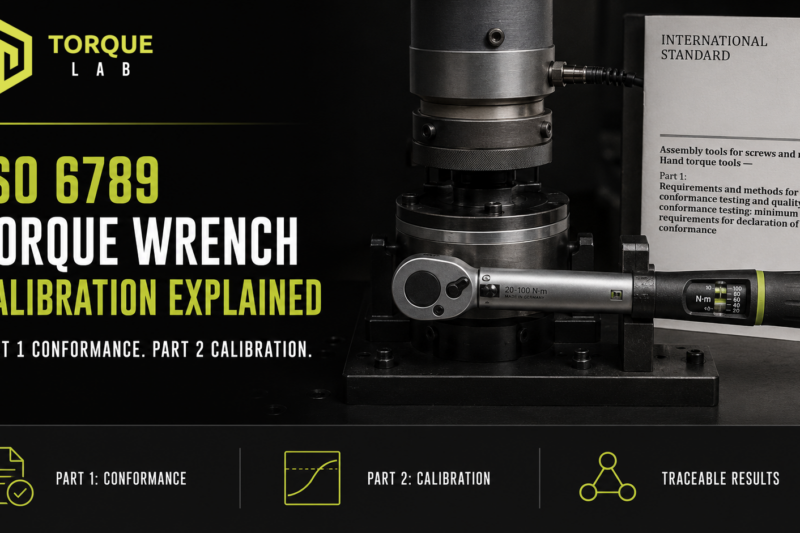
Posted on 7 Feb, 202616 Aug, 2026 Why Regular Torque Tool Calibration Is Essential for Safety, Accuracy and Compliance Torque tools are often trusted to control fastener tightness in applications where loose, damaged or unevenly loaded joints can cr...
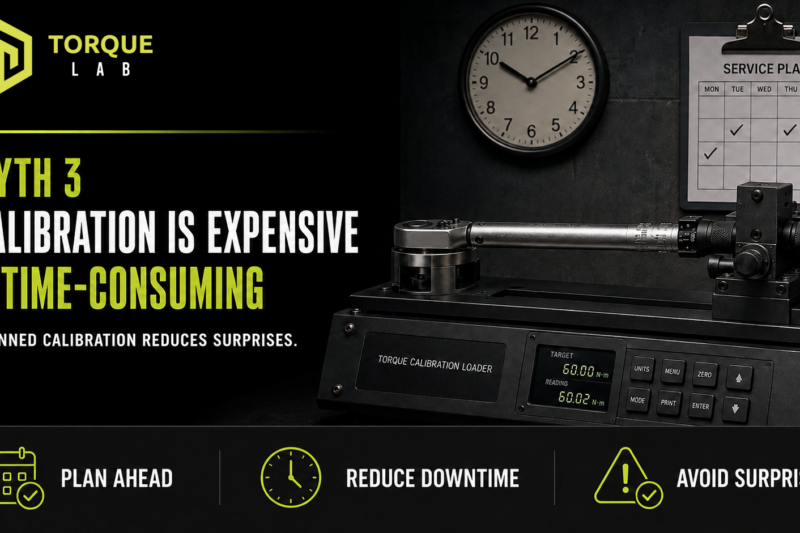
Posted on 5 Feb, 202616 Aug, 2026 Myth 3: Calibration is expensive and time-consuming It is easy to look at calibration as an added cost and an inconvenience, particularly when a torque wrench must be taken out of se...
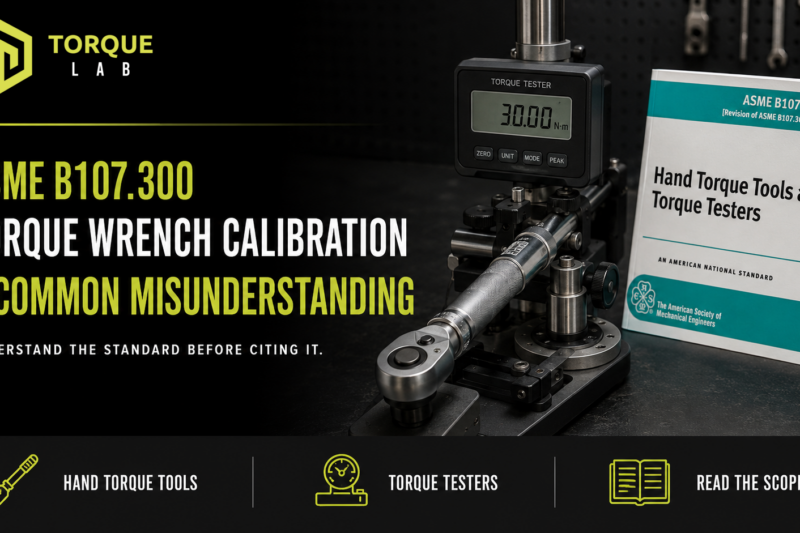
Posted on 4 Feb, 202616 Aug, 2026 ASME B107.300 Torque Wrench Calibration — A Common Misunderstanding ...
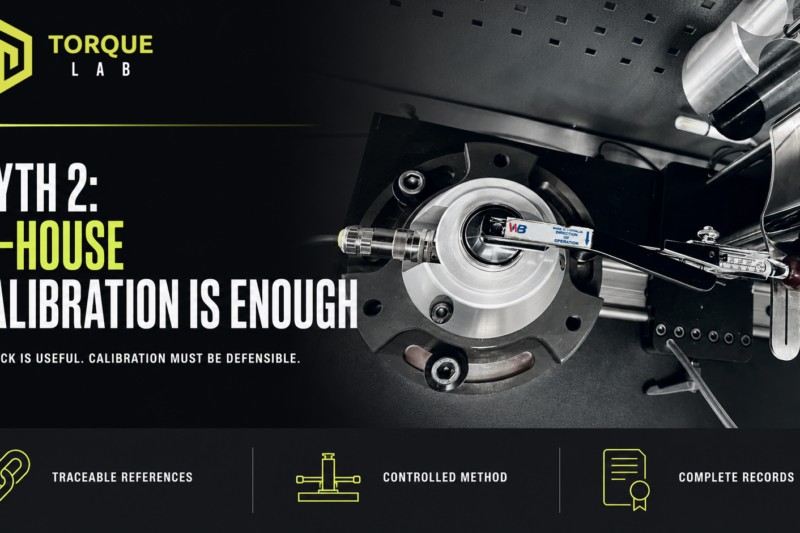
Posted on 2 Feb, 202616 Aug, 2026 Myth 2: In-house calibration is sufficient for torque wrenches An in-house torque checker can be one of the most useful tools in a workshop. It can identify a wrench that has changed, support f...
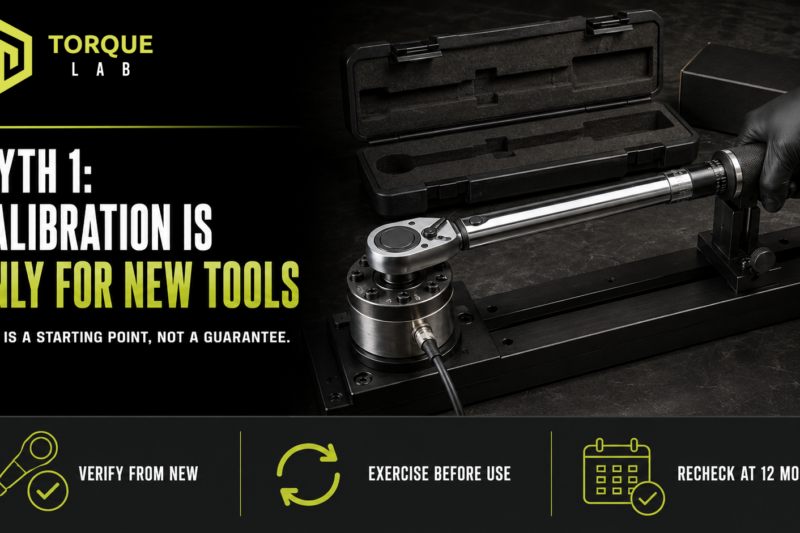
Posted on 25 Sep, 202416 Aug, 2026 Myth 1: Calibration is only needed for new torque wrenches The statement that calibration is only needed for new torque wrenches gets two things wrong. A wrench should not be assumed accura...
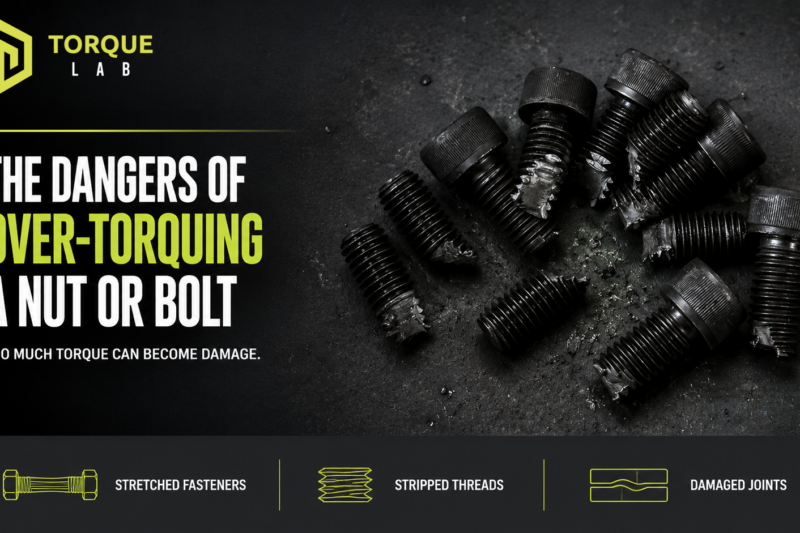
Posted on 24 Jun, 202416 Aug, 2026 The Dangers of Over-Torquing a Nut or Bolt Applying the correct torque to a nut or bolt is intended to create a suitable clamping force in the joint. Applying more torque do...